Membership
Membership & Accreditation
A formal process through which an institution is evaluated against established standards and criteria.

What accreditation means
Recognition for meeting, and exceeding, the standard
The Distance Learning Council provides accreditation to institutions that demonstrate compliance with the prescribed requirements and can meet, maintain and, where applicable, exceed the standards set out in its Accreditation Standards.
Accreditation Policy Statement
To promote the quality, credibility and wider acceptance of online and distance education, DLCI members recognise that:
- High-quality educational programmes offered through online and distance-learning institutions are important to the continued development and acceptance of distance education.
- A structured accreditation process, together with regular institutional self-assessment and continuous improvement, contributes to the enhancement of academic and institutional quality.
- Accreditation is a voluntary process undertaken by institutions that seek to demonstrate their commitment to maintaining established educational standards and supporting the development of online and distance education.
- Continued efforts toward quality assurance and academic improvement can contribute to greater recognition and understanding of the role of online and distance-learning programmes within the broader educational community.
Accreditation standards
What the Council reviews
In assessing eligibility for membership or accreditation, DLCI may review:
- The types of online and distance-learning programmes offered by the institution and the diplomas or degrees awarded.
- The academic and institutional standards established for awarding each diploma or degree.
- The methods and practices used by the institution to attract prospective students.
- The eligibility criteria and procedures followed for accepting or rejecting applications for academic programmes.
- The duration, structure, and subjects covered within each programme.
- The applicable tuition and programme fees.
- Any relevant pending or concluded legal proceedings involving the institution, where applicable.
Accreditation process
From application to full accreditation
-
Step 1
Applicant Status
The institution submits a completed application. Applicant status confirms the application is under consideration. It does not by itself guarantee that accreditation will be awarded.
-
Step 2
Application Review
The Council reviews the application against its requirements and standards, and may send written queries. The institution provides the requested information within the specified period.
-
Step 3
Full Accreditation
Granted to institutions that satisfy the Council’s accreditation requirements and standards. Accredited institutions must maintain their standards on an ongoing basis.
Annual renewal. Membership is renewed every year. Member institutions may be asked to provide updated information on changes to their curriculum, programmes, grading or evaluation standards and other relevant details. An annual renewal fee may apply.
Accreditation grades
Three grades of accreditation
Each accredited institution is awarded one of three grades and may display the matching official DLCI seal.
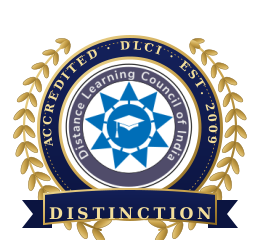
Accredited with Distinction
Awarded to institutions that consistently exceed DLCI standards across every area of evaluation.
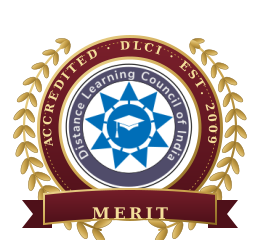
Accredited with Merit
Awarded to institutions that fully meet DLCI standards and show strong quality practices.
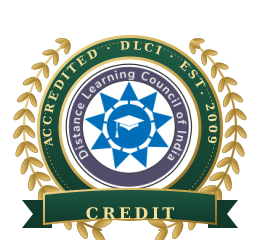
Accredited with Credit
Awarded to institutions that meet DLCI standards, with recommendations for further improvement.
Apply
Interested in membership?
Write to the Council with your institution’s name, location and the programmes you offer. We will guide you through the application.